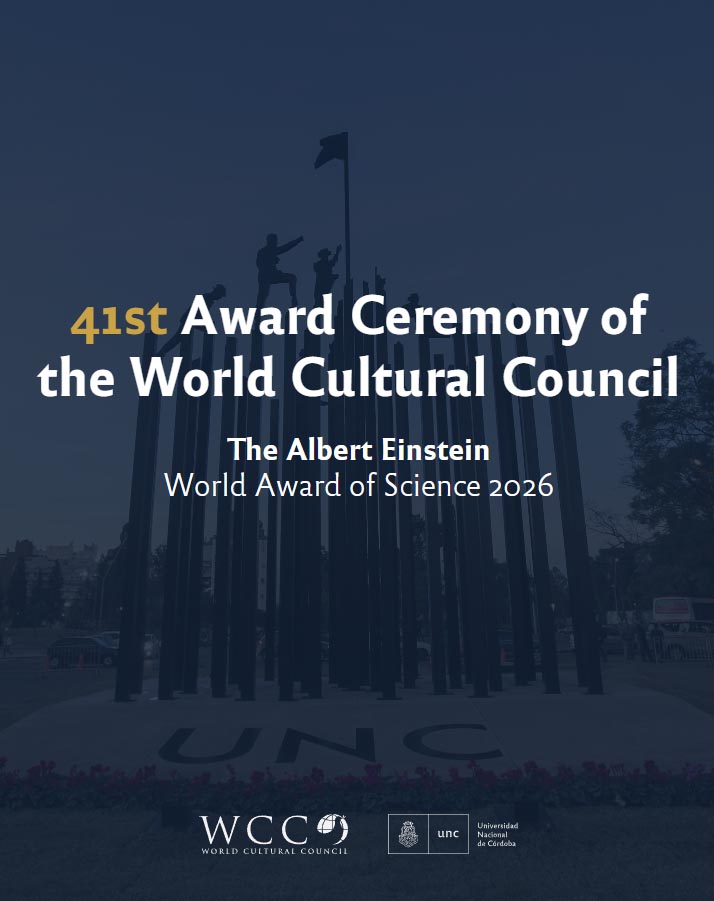
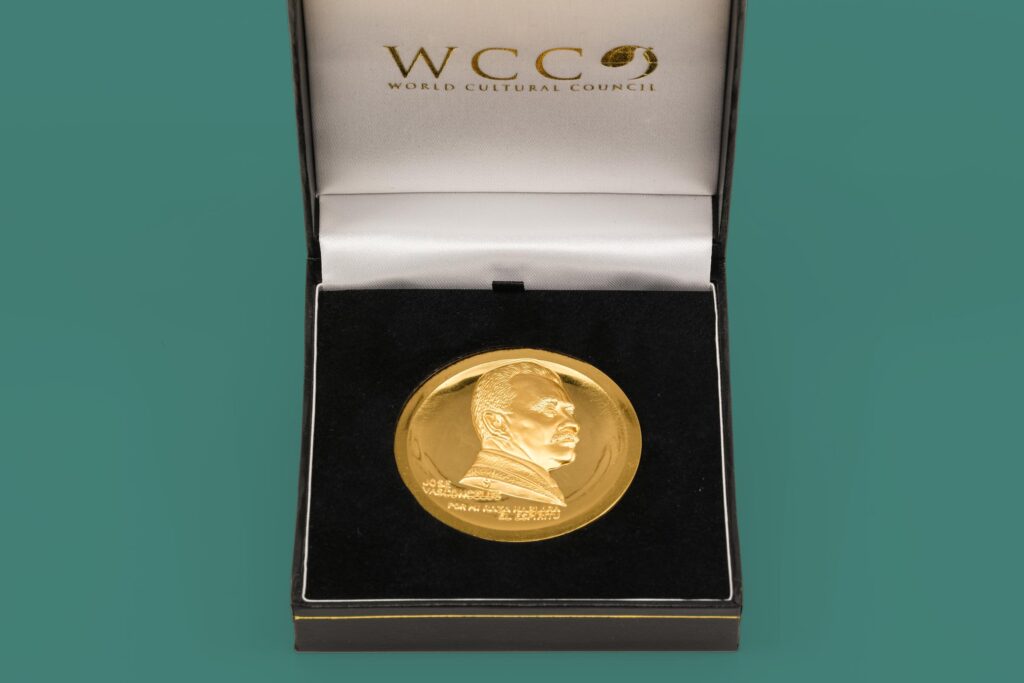
 The World Cultural Council (WCC) is an international organization that promotes cultural, educational, and scientific exchanges among individuals, universities and institutions. Its mission is to foster peace, social justice, and sustainable development through the advancement of culture, science, and education. The primary means in which the WCC accomplishes its mission is through the recognition of outstanding individuals and their achievements in the fields of science, education, and culture.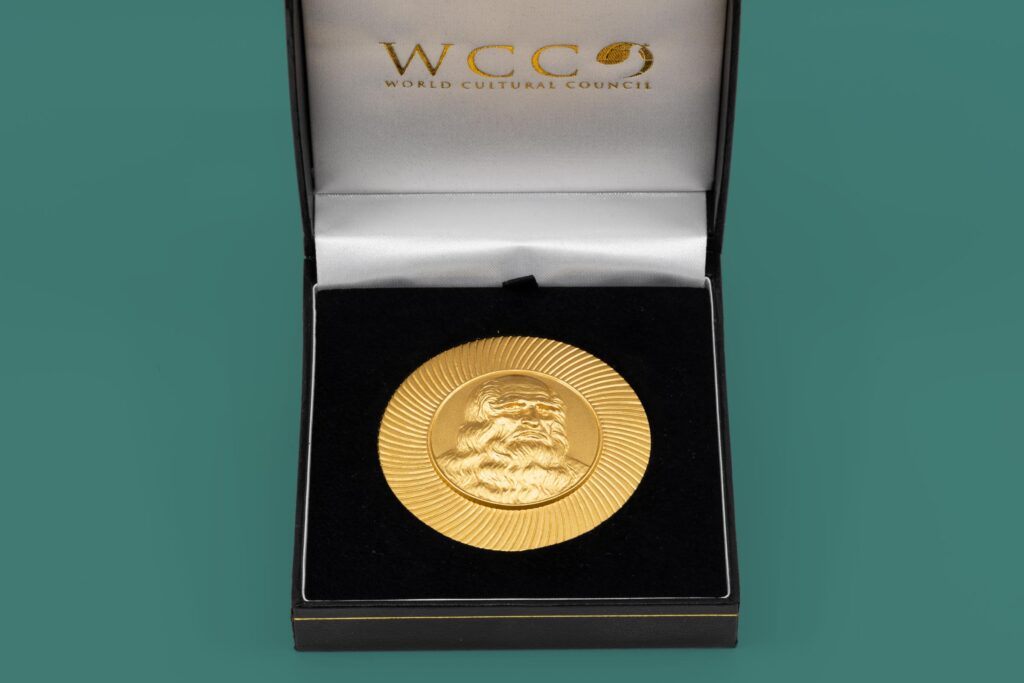
World Award of Arts
The World Award of Arts is a prestigious international recognition presented by the World Cultural Council. The WCC aims to promote cultural exchange and understanding through various initiatives, including the World Award of Arts. This award honors exceptional artists for their lifetime achievements and contributions, ranging from literature to architecture. The recipients are selected by the WCC’s committee of experts, and the award ceremony is held annually. Overall, the World Award of Arts serves as a platform for promoting cultural diversity and exchange, making it a significant recognition for artists globally.

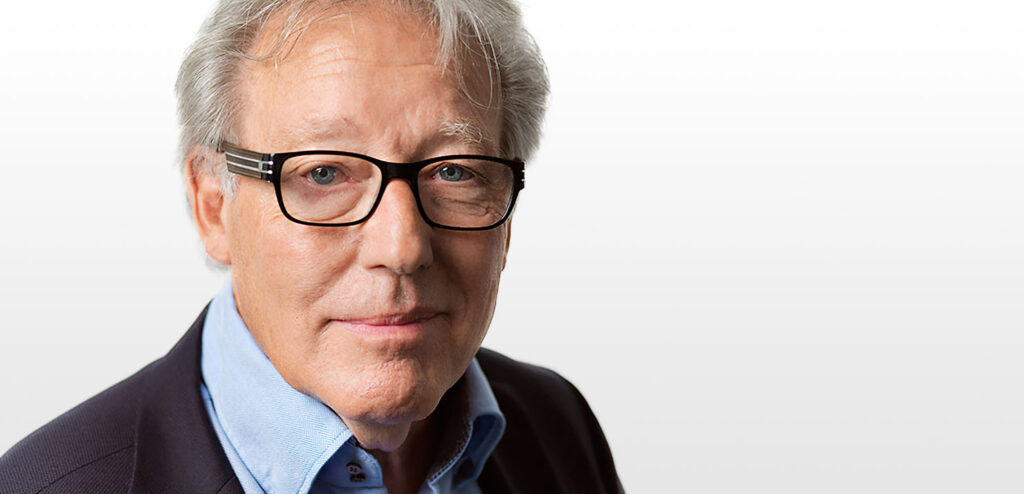
 The winner of the World Cultural Council’s 2026 Albert Einstein World Award of Science is Professor Katerina Harvati, Chair of Paleoanthropology and Director of the Senckenberg Centre for Human Evolution and Paleoenvironment at the University of Tübingen, Germany.