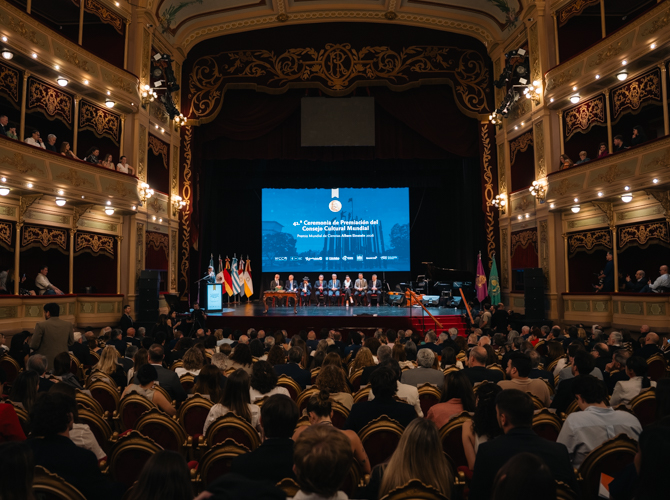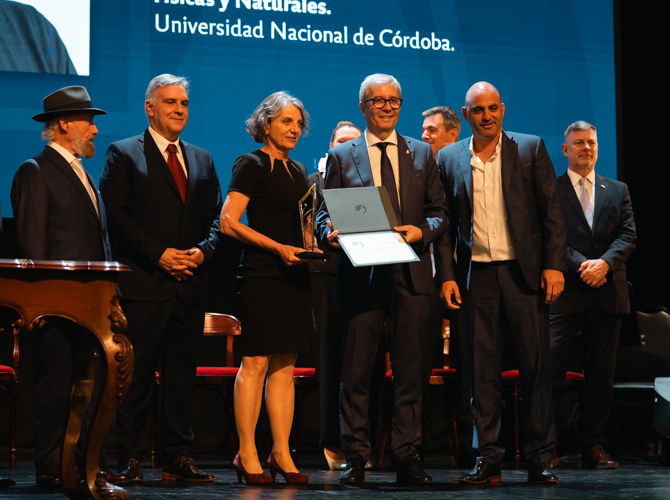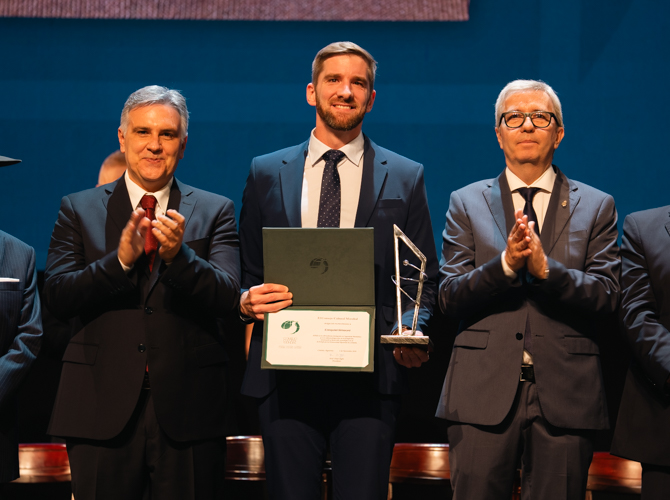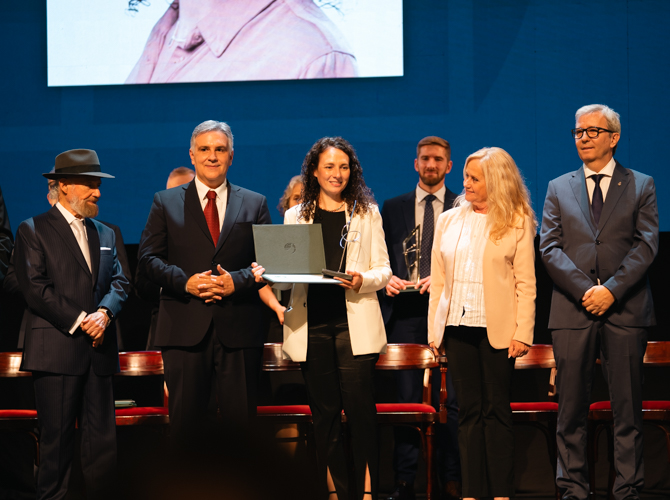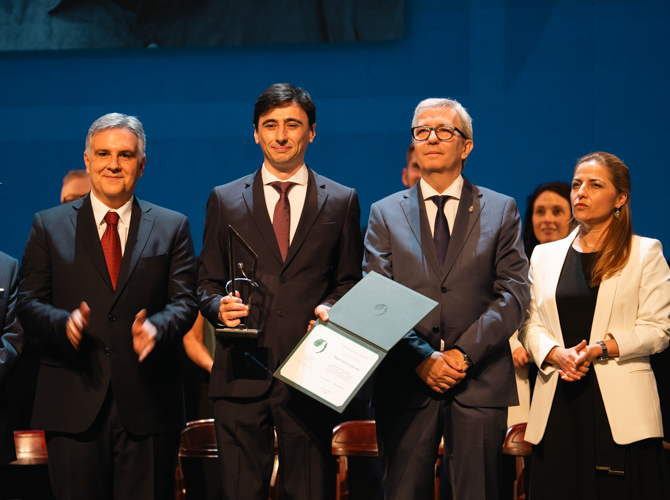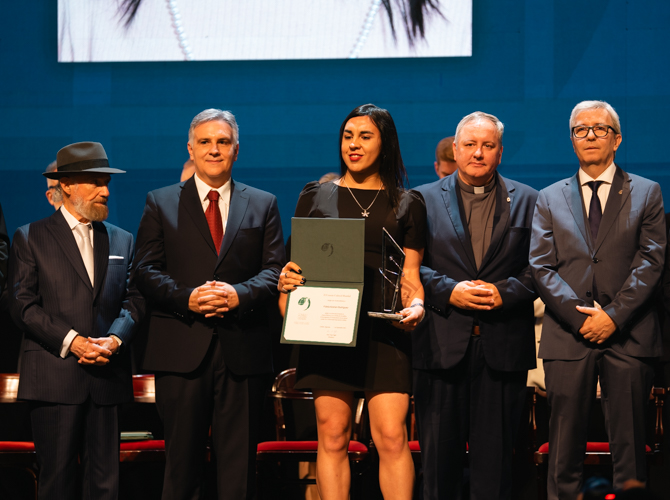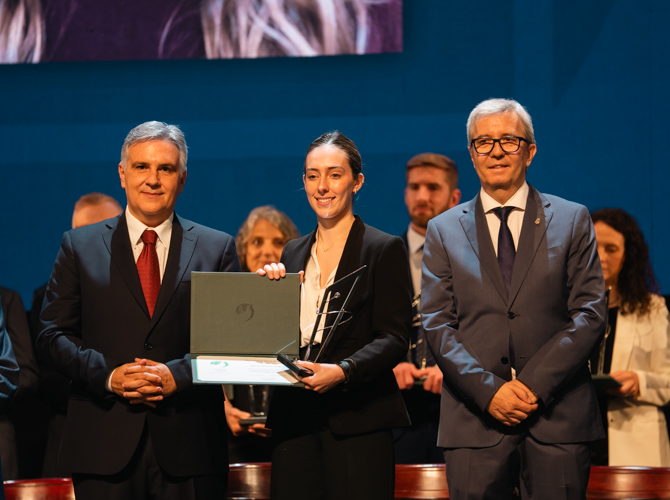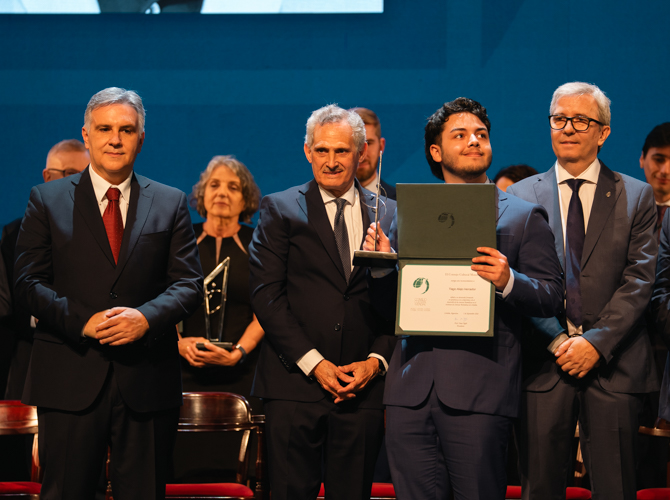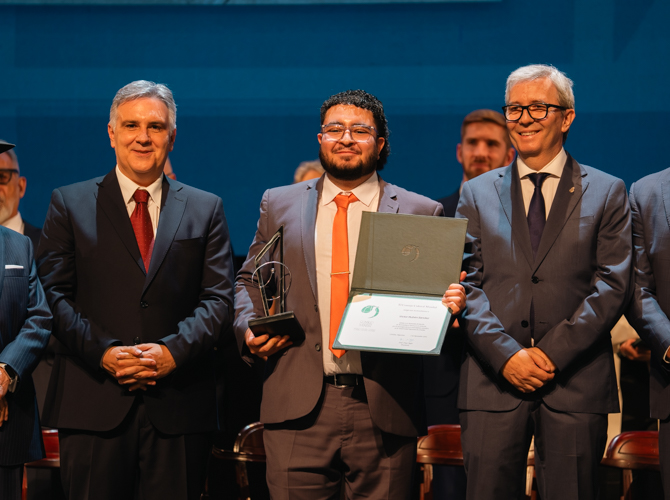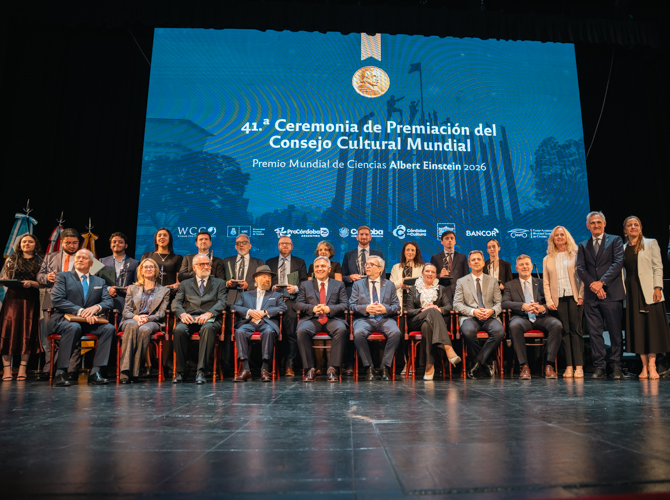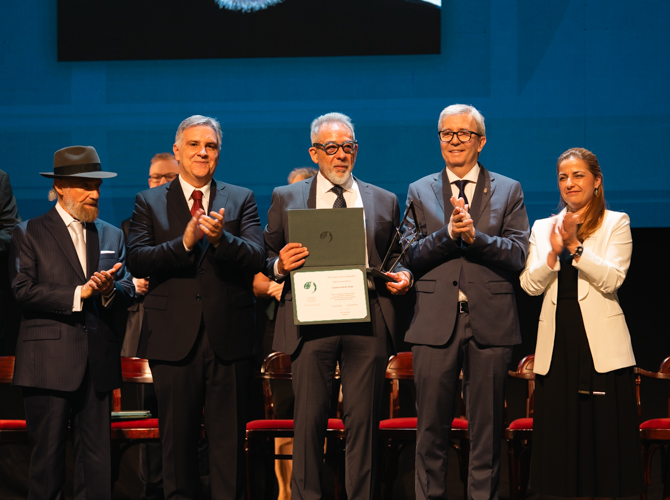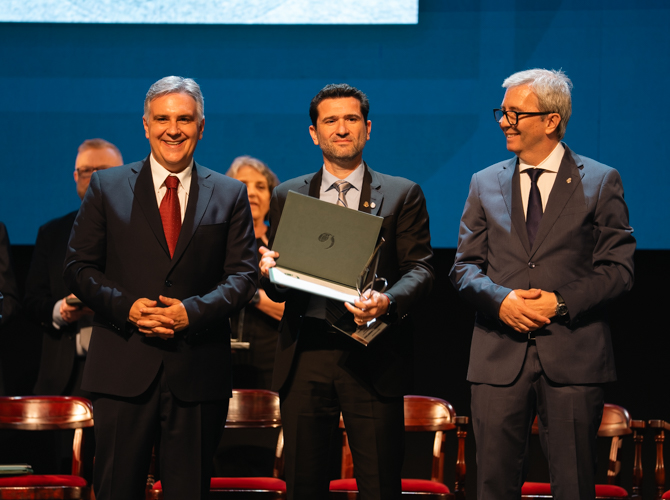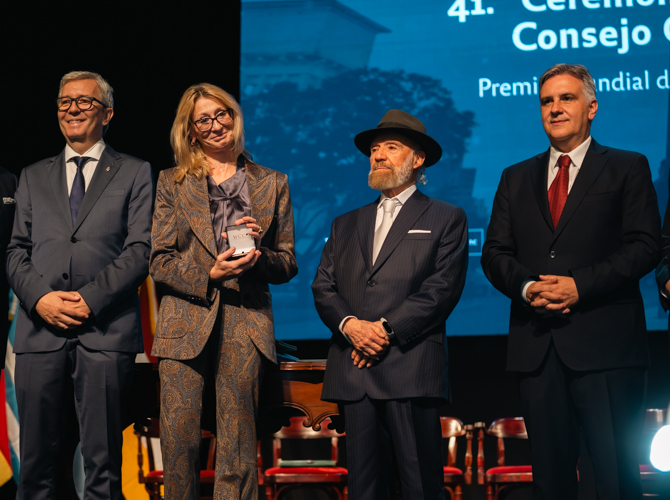
Date: 2 November 2025
Place of Ceremony: El Teatro del Libertador San Martín
Host Institution: Universidad Nacional de Córdoba
Host Country: Argentina
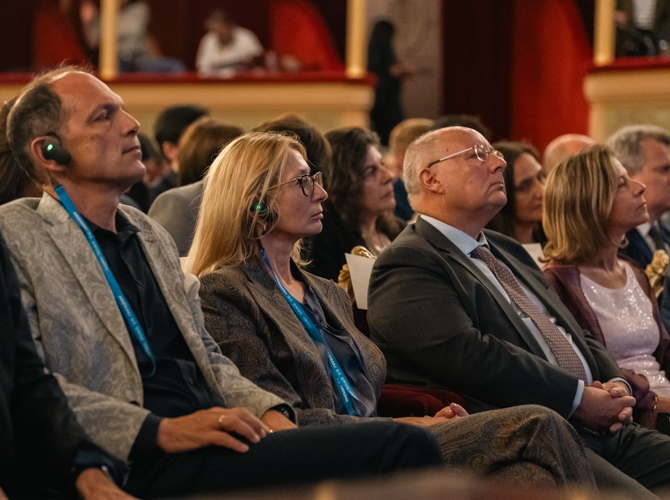
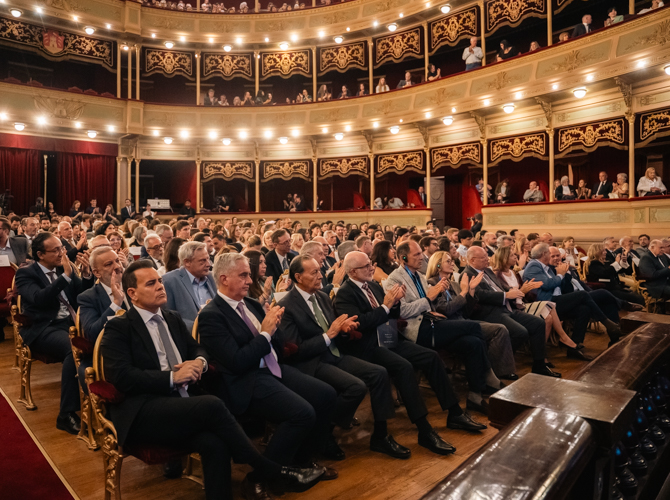
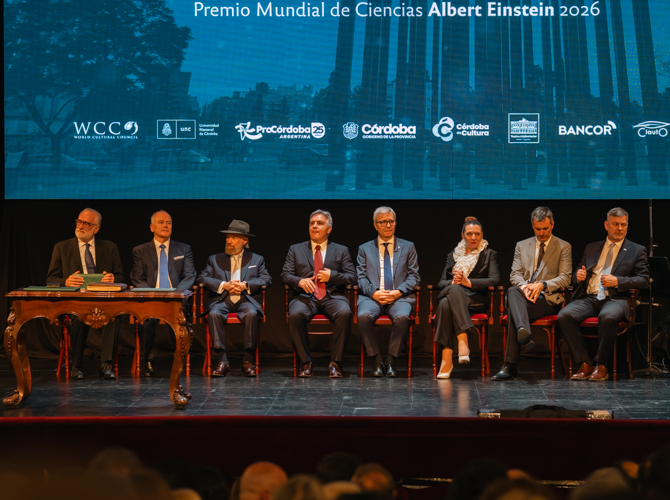
Award Ceremony
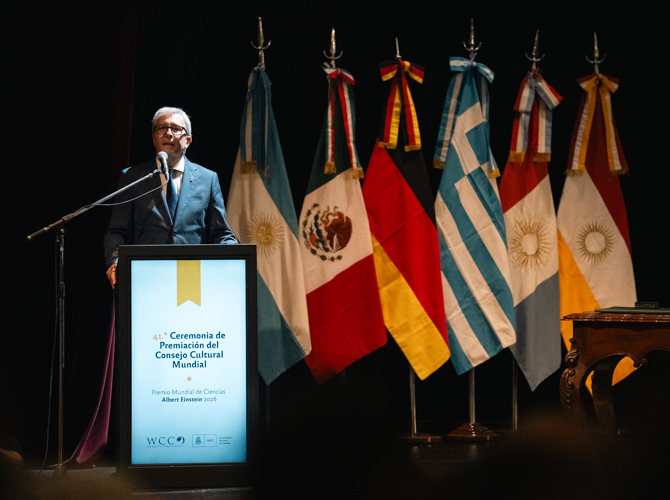
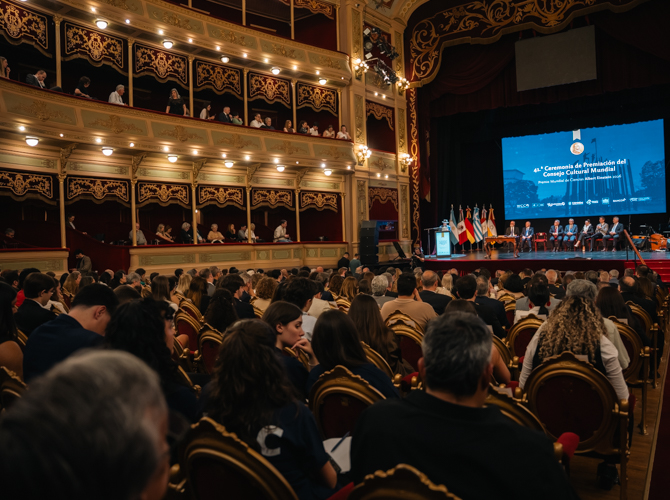
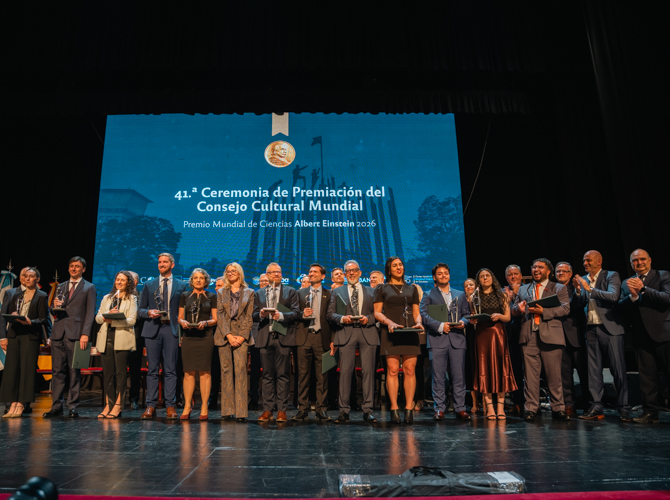
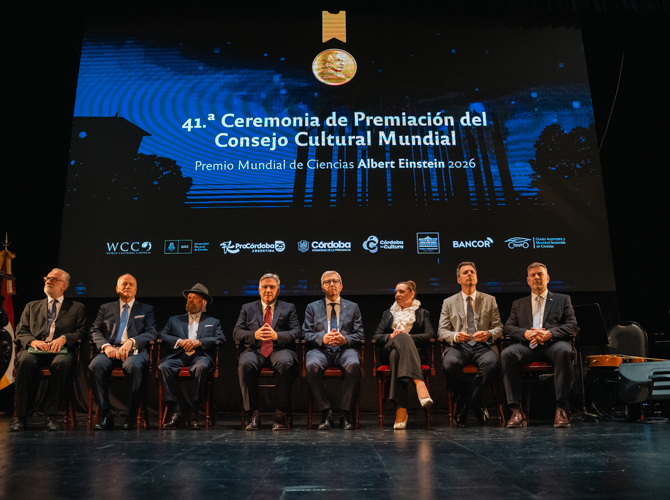
Watch the WCC’s 41st Award Ceremony at the Universidad Nacional de Córdoba.
Science Award
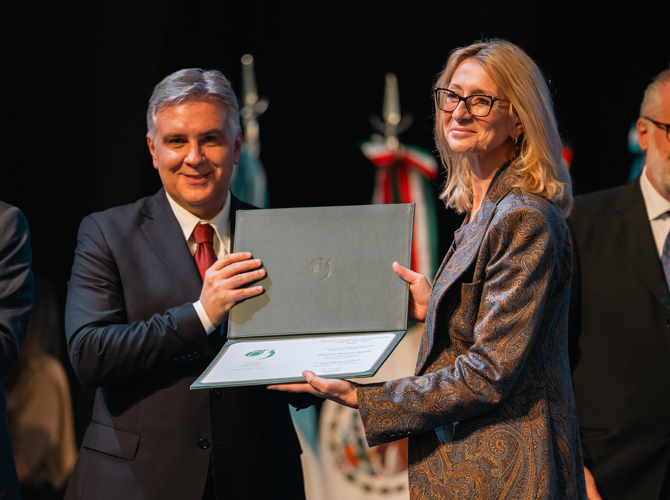
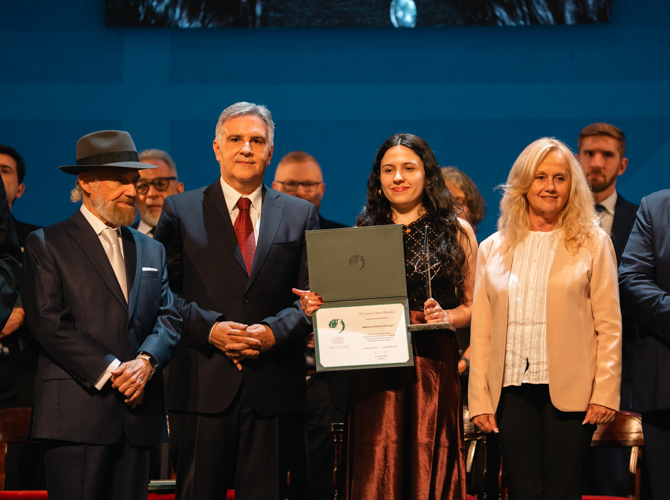
Professor Katerina Harvati, Chair of Paleoanthropology and Director of the Senckenberg Centre for Human Evolution and Paleoenvironment at the University of Tübingen, Germany, has been selected as the winner of the Albert Einstein World Award of Science 2026.
The prize is awarded in recognition of her pioneering work as a world-leading paleoanthropologist whose research has fundamentally transformed the understanding of human origins.
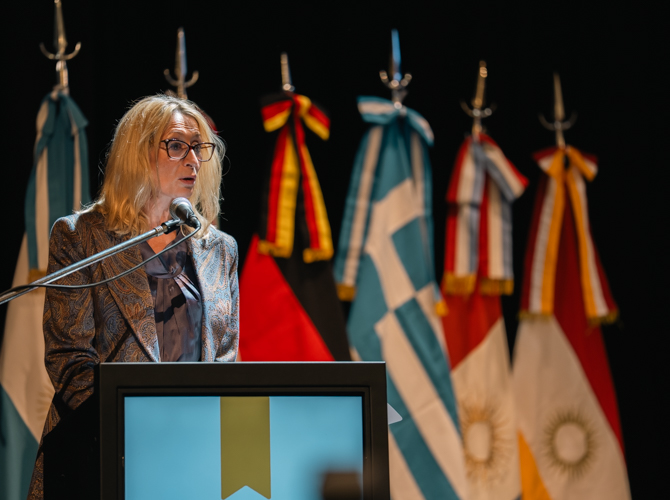
“I am extremely honored and proud, and full of gratitude and humility, to be the recipient of this prestigious award. It is truly wonderful to have one’s work recognized in such a way – thank you.
“This recognition is the outcome of three decades of hard work, perseverance and unwavering dedication. It is a tribute not only to myself but also to the work of the mentors, collaborators and team members that have been instrumental to my scientific trajectory.
“Throughout these years we pioneered the development of computer assisted, virtual anthropology methods, thus greatly expanding what we can learn from the fossil and archaeological record.”
– Professor Katerina Harvati
To read Professor Harvati’s speech in full, please download the PDF by clicking the button below.
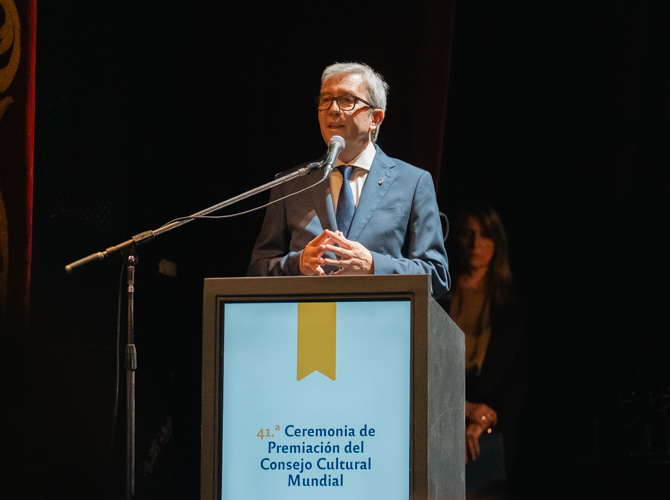
Message from the President of WCC, Prof. Omar M. Yaghi
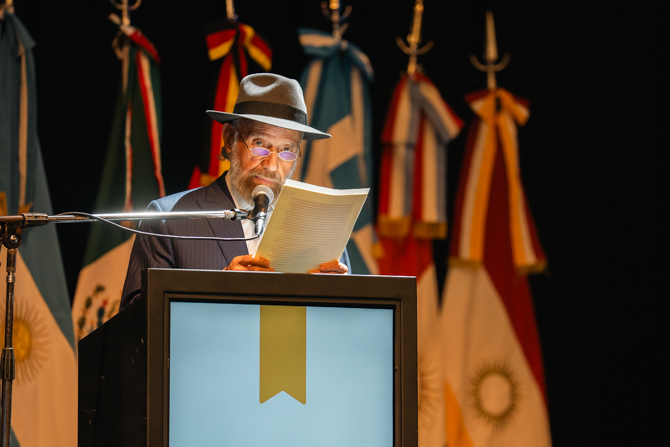
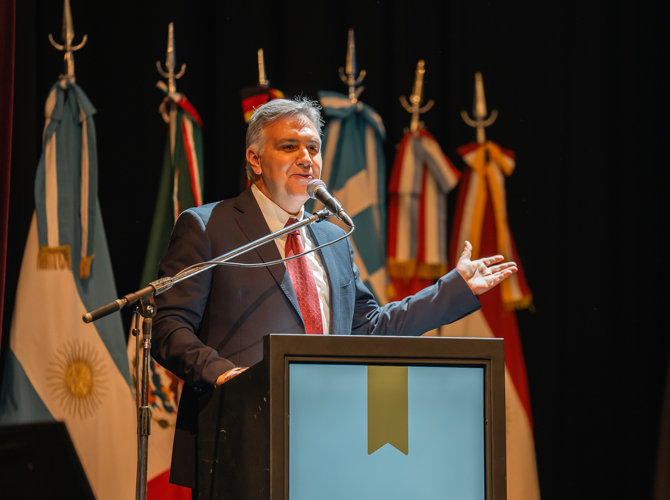
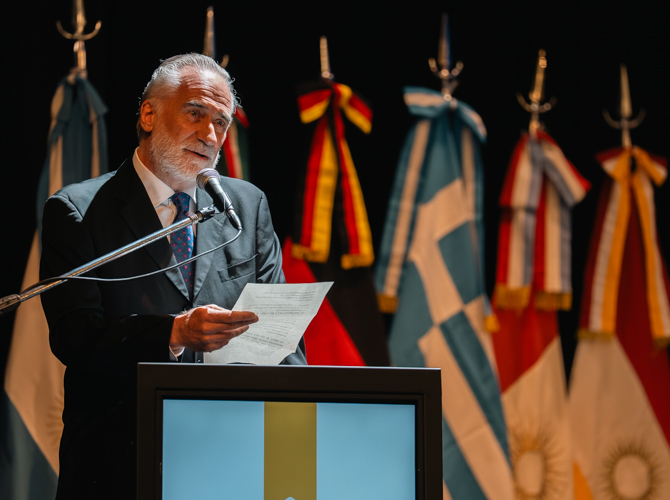
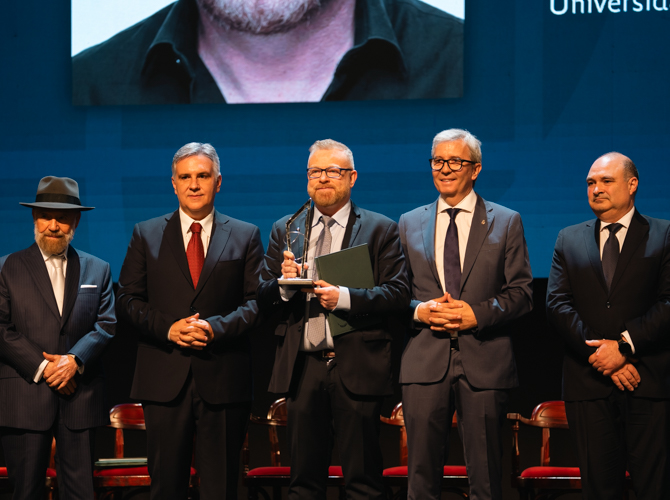
Speech by Dr. Rafael Valero
“It is an honor for me to set foot on the soil of this noble city, cradle of Latin American humanism. Arriving here is not simply making a geographical journey; it is undertaking an intellectual pilgrimage to the very heart of the cultural thought of our America.
“We arrive at the renowned ‘Casa de Trejo’ with the utmost respect, recalling its foundation in 1613, which lit the flame of higher education in Argentina and throughout the entire southern cone of America.
“Mexico and Córdoba share an invisible but unbreakable thread: the conviction that knowledge is not the privilege of a few, but a social heritage destined to emancipate our peoples.
“For a Mexican academic, to speak of Córdoba is inevitably to speak of 1918. It was in this house that courageous youths proclaimed that Manifiesto Liminar (Liminal Manifesto), which resonated from La Docta to the Valley of Mexico, reminding the world that ‘the sorrows that remain with us are the freedoms that we lack.'”
“The University Reform of Córdoba not only democratized higher education in Argentina; it gave all of Latin America the model of a university owned by the State, free of charge, autonomous, open, with academic freedom and an unreserved commitment to the reality of its communities. That flame lit by the students of Córdoba more than a century ago continues to illuminate contemporary discussions on the social role of science and the humanities.”
To read Professor Valero’s speech in full, please download the PDF by clicking the button below.